Overview, History & Vibe: Chiang Mai, the largest city in northern Thailand, is steeped in history. Founded in 1296, it was the capital of the independent Lanna Kingdom until 1558. Its Old City area still retains remnants of walls and moats from its history as a cultural and religious center. The city’s vibe is much more laid-back and less metropolitan than Bangkok, filled with a sense of calm and spirituality.
Weather: The weather in Chiang Mai varies. The best time to visit is from November to February, during the cool season when the weather is dry and pleasant. March to May is quite hot, while the rainy season spans from June to October, bringing frequent, but usually short, showers.
Burning Season: The “burning season” in Chiang Mai typically occurs annually from late February to early April. This period is marked by agricultural burning practices in the rural areas surrounding Chiang Mai and in other parts of Northern Thailand. Farmers often burn crop residue to clear land for the next planting season, which leads to a significant increase in air pollution and smog in the region.
During the burning season, air quality in Chiang Mai can deteriorate significantly, often resulting in hazy skies and a noticeable drop in visibility. This can have implications for health, particularly for individuals with respiratory issues, allergies, or sensitivities to air pollution.
If you’re planning a trip to Chiang Mai and wish to avoid the burning season, it’s advisable to schedule your visit outside these months. The best time to visit, considering weather and air quality, is typically between November and February. This period is after the rainy season and before the onset of the hot and smoky conditions associated with the burning season.
Currency: The local currency is the Thai Baht (THB). It’s always handy to have some cash, especially for smaller shops and street vendors.
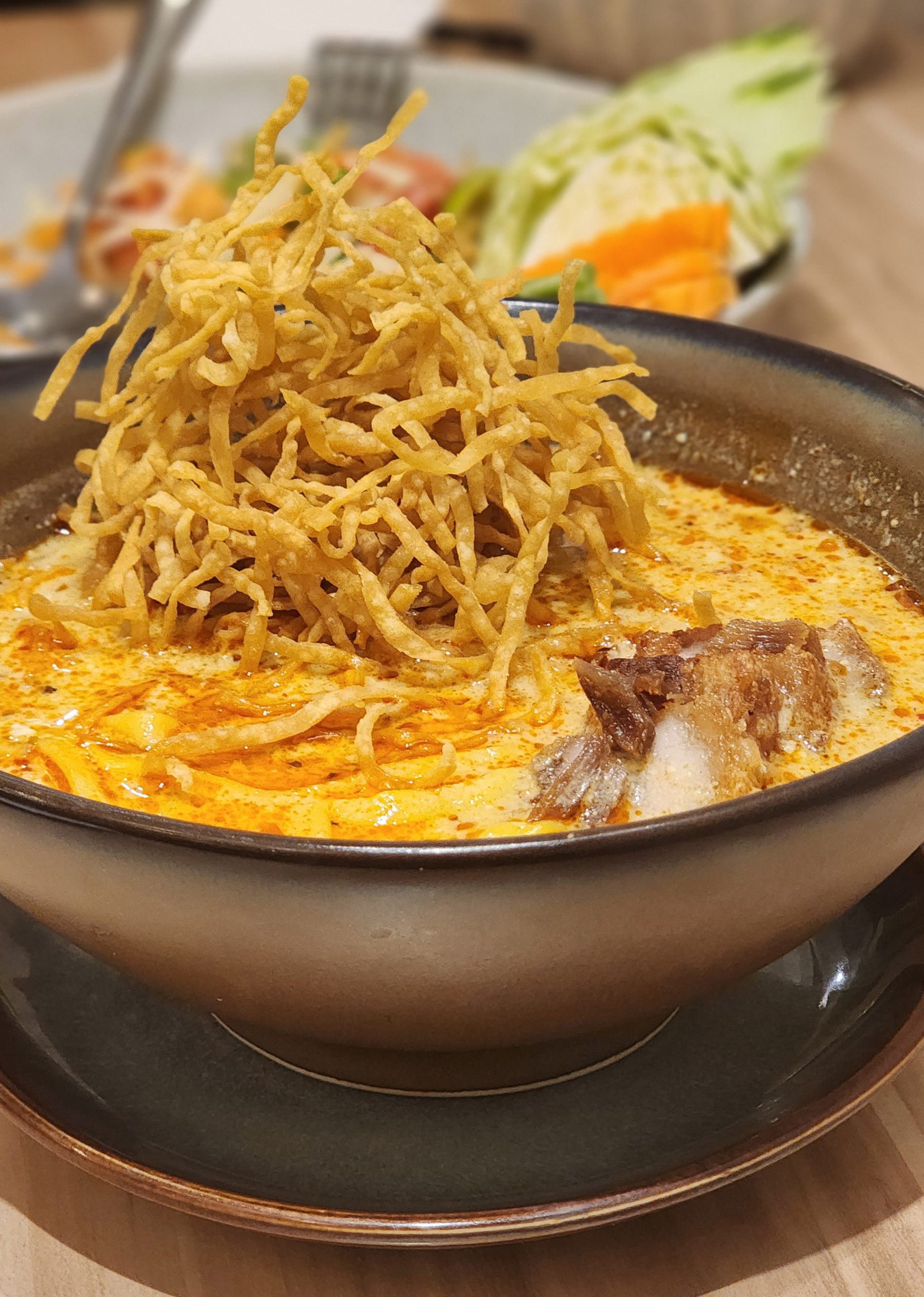 | Food: Chiang Mai is a haven for food lovers. The street food here is a must-try, with local specialties like Khao Soi (creamy coconut curry noodle soup), Sai Oua (spicy Chiang Mai sausage), and various Thai sweets. There are also numerous restaurants offering both traditional Thai and international cuisines. |
Food: Chiang Mai is a haven for food lovers. The street food here is a must-try, with local specialties like Khao Soi (creamy coconut curry noodle soup), Sai Oua (spicy Chiang Mai sausage), and various Thai sweets. There are also numerous restaurants offering both traditional Thai and international cuisines.
Some of my Favorites:
- Khao Soi – It’s great everywhere, but these are my favorites. I also prefer pork or beef over chicken leg
- Kao Soy Nimman – my fav. A lighter, but still delicious and flavorful broth
- Khao Soy Maesai
- a little stall in the Kalare Night Bazaar
- Khao-So-I
- Moo Krata – Thai Grilled Pork (or any other meats) + Hot Pot
- Mu Kratha Chang Phueak (just outside the northside of the old city) or (on Changklan Rd)
- Khao Kha Moo Chang Phuea – try this tasty street food from the “Cowboy Hat Lady” who Anthony Bourdain visited when he was in Chiang Mai
Cafes & Bars: The city is famous for its vibrant cafe scene. From traditional Thai to modern, hipster, and even cat cafes, there’s something for every coffee enthusiast. At night, the city transforms, with bars and night markets offering lively and fun atmospheres.
Neighborhoods:
- Nimmanhaemida (or ‘Nimman’ for short). There are many shops and trendy cafes and restaurants with international fare from around the world, a lot of condos, and a lot of other digital nomads and foreigners living there.
- North of Nimman is the Jed Yod area, which has cheaper rents but is within walking distance to Nimman.
- Santitham is also popular; it’s near Nimman and the old city, more of a local/student neighborhood, much cheaper, and also is populated with shops, cute cafes, and street food galore.
- The old city is another great option; there’s lots going on there too, although it is more touristy than the other aforementioned neighborhoods.
- Some people choose to live south of the city in the Changklan Road area, near the river and the night bazaar. Think bustling nightlife, full of shopping options, and some fancy hotels.
- Finally, around Central Festival is another popular area; Central Festival is a massive shopping mall, and the neighborhood around it tends to be more modern and cosmopolitan than other areas of Chiang Mai.
Activities: 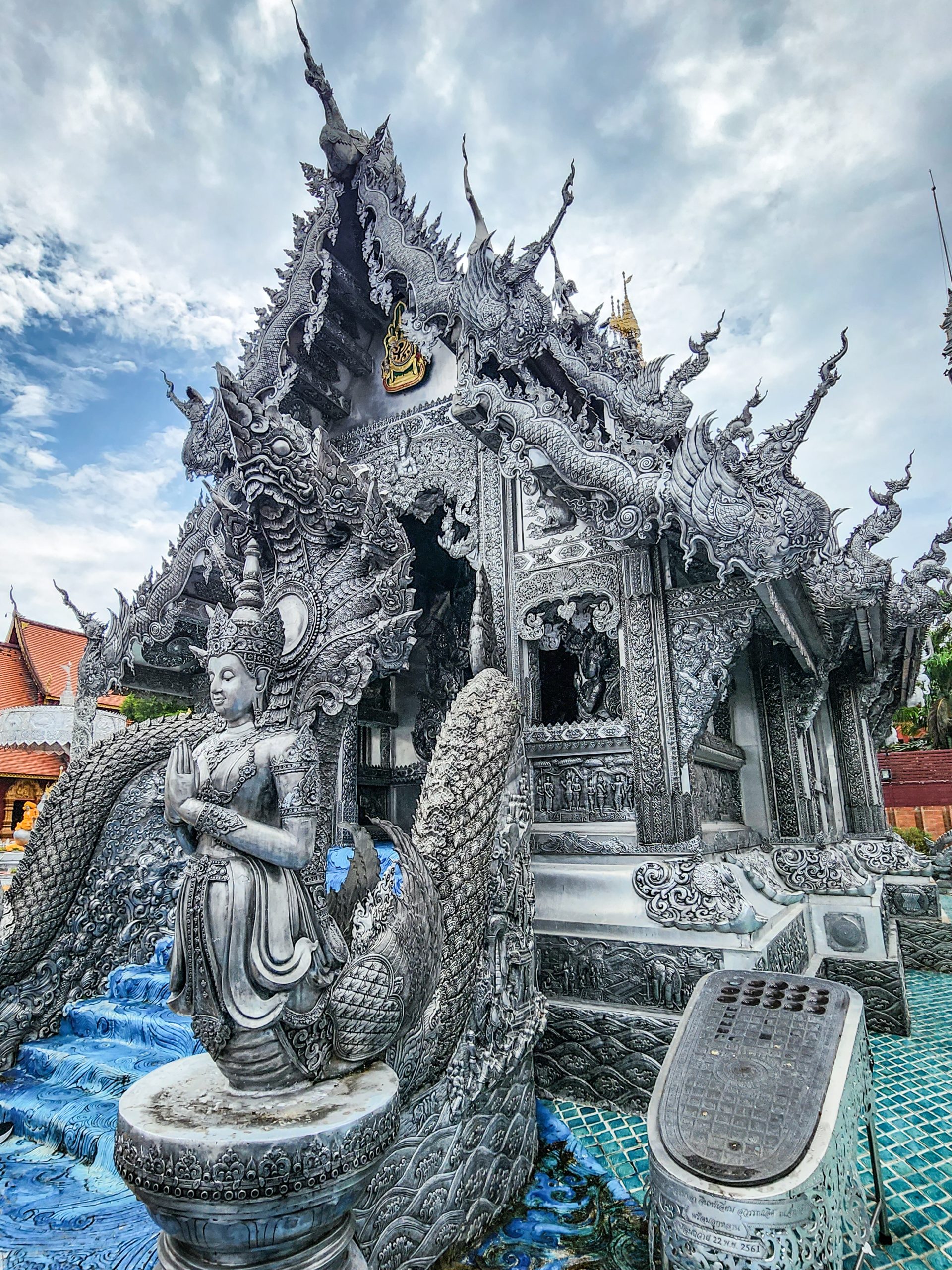
- Visit historic temples like Wat Chedi Luang, Wat Sri Suphan (the Silver Temple) and Doi Suthep
- explore bustling markets such as the Night Bazaar or the Sunday Night Market on the Walking Street
- take a cooking class to learn about Thai cuisine.
- For nature lovers, there are
- learn about, feed, hike with and bathe in the river with elephants at elephant sanctuaries
- play in the Sticky Waterfalls
- national parks like Doi Inthanon are gorgeous, with so many hikes, temples, waterfalls etc
- hiking
- A moderately challenging hike is the Monk’s Trail hike that starts in town, passes a jungle temple, and ends at the Doi Suthep temple.
- An easy but rewarding one is the hike to Dtaat Mook Waterfall Hike
- Lots more here or join the local whatsapp group to find hiking buddies.
Nearby Trips: Consider day trips to places like Pai, known for its scenic landscapes, or Chiang Rai for the stunning White Temple.
Visa Information: For most tourists, Thailand offers a visa exemption for stays of up to 30 days, but always check the latest visa requirements based on your nationality.
WhatsApp Groups: