I travel full time and have been to a lot of places (72 countries at the time of this writing). Vietnam is my favorite country and Hanoi is my favorite city. Food is a passion for me when I travel and Hanoi is such an amazing food city. Here are some of my favorites and recommendations
Bún chả with Nem Cua
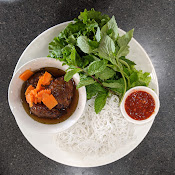
Bún chả Hà Nội is a quintessential Hanoi dish. It is primarily composed of grilled pork and rice vermicelli (bún), served alongside a plate of fresh herbs, salad greens, and often sliced cucumbers or pickled carrots or radish. The pork, typically a combination of seasoned pork belly and minced pork patties, is grilled over charcoal, which imparts a distinct smokiness and caramelization to the meat. The dish is enjoyed with a dipping sauce called “nước chấm,” a blend of fish sauce, sugar, lime, garlic, and chilies, which adds a complex balance of sweet, salty, sour, and spicy flavors. The interplay of the warm, smoky pork with the cool, fresh vegetables and the tangy sauce creates a harmonious blend of textures and flavors, making Bún chả a beloved and iconic dish in Vietnamese cuisine.
Nem cua, also known as Vietnamese crab spring rolls, has crispy texture and flavorful filling. These spring rolls are made with a delicate blend of crab meat, often combined with pork, shrimp, glass noodles, mushrooms, and an assortment of finely chopped vegetables like carrots and onions. The mixture is seasoned with traditional Vietnamese spices and herbs, then wrapped in thin rice paper or wheat flour wrappers. These rolls are typically deep-fried until golden and crispy, resulting in a delightful contrast between the crunchy exterior and the tender, savory filling inside. Nem cua is usual;ly available with bun cha or also commonly served as an appetizer or a snack, accompanied by a dipping sauce – usually a mixture of fish sauce, lime juice, sugar, garlic, and chili – that complements and enhances the flavors of the crab and other ingredients.
Bún Chả 41 Cửa Đông – my favorite. a little more expensive (they charge around 70K VND versus 40-50 elsewhere), but I think it’s perfect.
Quán Mực Nướng – Nem Chua Nướng – ties for 1st place. cheaper at 40K and the lady who runs the place is super sweet with the cutest smile
Bun Cha Dac Kim – very popular, always crowded. I think the portion is actually too big tho and I always get overfilled
Chả cá
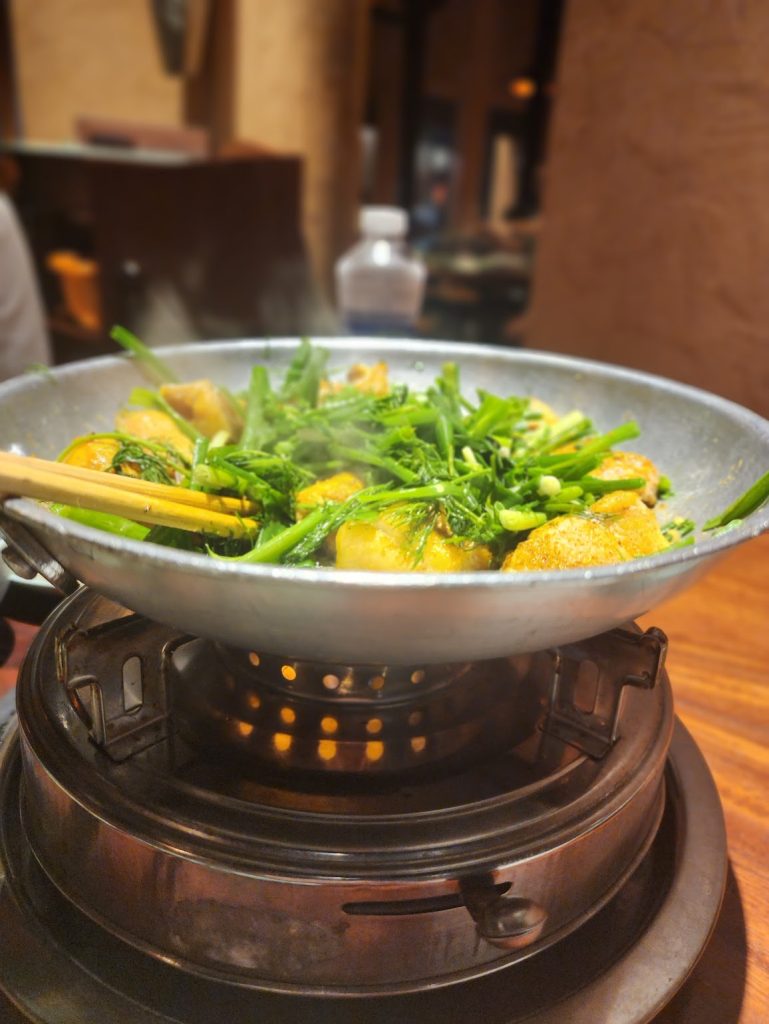
Chả cá is known for its unique preparation and flavorful ingredients. At its core, chả cá features chunks of white fish, most traditionally snakehead or catfish, that are marinated in turmeric and galangal, giving the fish its signature yellow color and a slightly spicy, aromatic taste. The marinated fish is then grilled or fried to perfection, creating a beautiful contrast of a crispy exterior with a tender, flaky interior. This dish is typically served on a sizzling hot pan right at the table.
Accompaniments include generous amounts of dill and spring onions, which are often cooked alongside the fish, infusing it with their fragrant flavors. Chả cá is usually enjoyed with rice vermicelli noodles (bún), a variety of fresh herbs, chopped peanuts, and a traditional dipping sauce made from fish sauce, vinegar, sugar, and minced garlic, often with slices of chili and a squeeze of lime.
Cha Ca Thang Long – best place and a romantic setting at night
Xoi xeo
Xôi xéo is a colorful and popular dish that is both simple and full of flavor, often enjoyed as a breakfast item or a snack throughout the day. The base of the dish is sticky rice (xôi), which is steamed and then mixed with a special yellow-green mung bean paste. This paste is made from mung beans that have been husked, steamed, mashed, and then fried with onions and turmeric, giving the dish its distinctive yellow hue and creamy texture. The sticky rice and mung bean mixture is typically topped with crispy fried shallots and a drizzle of liquid fat, often from rendered pork or chicken, adding richness and depth to the flavor.
A unique aspect of xôi xéo is its versatility in accompaniments. It can be served plain as a vegetarian dish, or it can be topped with a variety of different toppings such as Chinese sausage (lạp xưởng), shredded chicken, pork floss (ruốc), or even a salted egg, allowing eaters to customize it to their taste preferences. Xôi xéo is often wrapped in banana leaves, which impart a subtle aroma to the dish. The combination of the soft, sticky rice, the creamy mung bean, the crispy shallots, and the rich, savory toppings create a delightful contrast of textures and flavors that make xôi xéo a beloved comfort food in Vietnam.
The woman in the video here is at Xôi Mây and it is so fun to watch how fast she slices and assembles the food. They don’t speak English so bring Google Translate or point at stuff.
Another tasty option, though not as colorful as her personality, is at Xoi Cat Lam
Cà phê trứng (Egg coffee)
Cà phê trứng, or Vietnamese egg coffee, is a unique and decadent beverage that has gained fame both in Vietnam and internationally for its rich and distinctive flavor profile. This specialty coffee originated in Hanoi in the 1950s when, due to a shortage of fresh milk, an innovative barista named Giang whipped egg yolks with sugar as a substitute. The result was a creamy, frothy concoction that transformed the traditional coffee experience.
Drinking cà phê trứng is a multi-sensory experience: first, the aromatic, slightly bitter coffee aroma, followed by the rich, sweet taste and creamy texture of the egg foam, and finally, the robust, deep flavor of the coffee itself. This combination of flavors and textures makes it a luxurious and indulgent treat, often described as tasting like a liquid tiramisu. Cà phê trứng has become a symbol of Hanoi’s cafe culture and is a must-try for coffee enthusiasts exploring the diverse world of coffee.
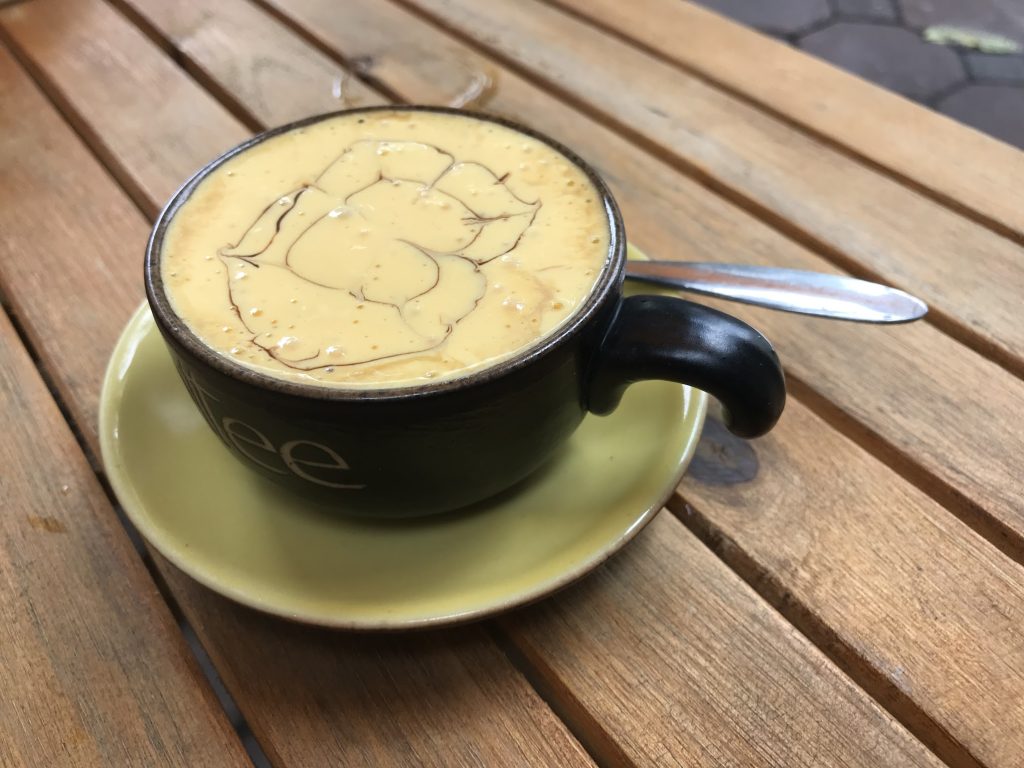
To prepare cà phê trứng, robusta coffee beans are typically used, brewed strong and dark. A creamy, meringue-like foam is created by vigorously whipping together egg yolks, sugar, and sometimes a small amount of condensed milk until fluffy and light. This egg mixture is then gently poured over the hot coffee, creating a distinct layer. The beverage can be served hot or cold, with the hot version allowing the warmth of the coffee to gently cook the egg topping.
Drinking cà phê trứng is a multi-sensory experience: first, the aromatic, slightly bitter coffee aroma, followed by the rich, sweet taste and creamy texture of the egg foam, and finally, the robust, deep flavor of the coffee itself. This combination of flavors and textures makes it a luxurious and indulgent treat, often described as tasting like a liquid tiramisu. Cà phê trứng has become a symbol of Hanoi’s cafe culture and is a must-try for coffee enthusiasts exploring the diverse world of coffee.
Cafe Giảng – The OG egg coffee since 1946
Cafe Dinh – at the north end of Hoan Kiem lake
The Note or any of the other places in my Cafes section below will also do a great egg coffee.
Bún bò Nam Bộ
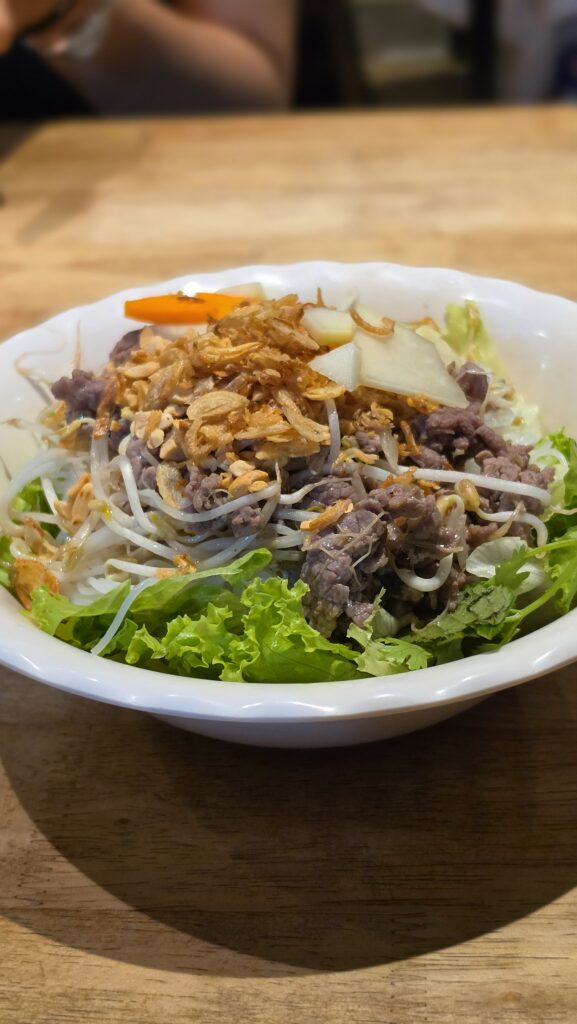
Bún bò Nam Bộ, also known as Southern-style beef noodle salad, is a popular dish in Vietnamese cuisine, especially in the southern regions. Contrasting with the more famous Phở, Bún bò Nam Bộ is a no-broth noodle dish (sometimes there is a bit of broth at the bottom of the bowl) that offers a delightful mix of flavors and textures. The dish features thin rice vermicelli noodles (bún) as its base, topped with marinated and stir-fried beef, typically seasoned with garlic, sugar, and fish sauce. The beef is cooked until tender and aromatic, often with hints of lemongrass.
This warm, savory beef is then served over the cold noodles, and the dish is further enhanced with an assortment of fresh ingredients like bean sprouts, pickled vegetables, fresh herbs (like basil or cilantro), crushed peanuts, and fried shallots, adding crunch and freshness. The key to Bún bò Nam Bộ’s flavor lies in its dressing – a combination of fish sauce, sugar, lime juice, and sometimes chili, creating a perfect balance of sweet, salty, sour, and spicy. This dish is known for its harmony of contrasting textures – the softness of the noodles, the chewiness of the beef, and the crunch from the vegetables and peanuts, making it a satisfying and flavorful meal.
Bún Bò Nam Bộ Bách Phương – one of the more famous places in Hanoi
Miến lươn – bún cá – smaller place, but equally, if not more delicious. They also have a great miến lươn (see below)
Bahn mi
Bánh mì is the quintessential Vietnamese sandwich that represents a fusion of Vietnamese and French culinary traditions, a legacy of France’s colonial presence in Vietnam. The term “bánh mì” actually refers to bread in Vietnamese, specifically the French baguette, but it has come to be associated with the sandwich itself. The bread is a unique Vietnamese take on the baguette, typically lighter, airier, and with a thinner crust than its French counterpart, making it distinctively crispy.
The fillings for bánh mì vary widely, but commonly include a variety of meats such as pâté, grilled pork, cold cuts, or meatballs, complemented by a rich spread of mayonnaise or butter. The sandwich is distinctively garnished with a vibrant mix of pickled carrots and daikon radish, fresh cilantro, slices of cucumber, and sometimes jalapeños, offering a crunchy and refreshing contrast to the savory meats. A key element is the seasoning, usually with soy sauce, fish sauce, or Maggi seasoning sauce, adding depth and umami to the flavor profile. The beauty of bánh mì lies in its balance of textures and flavors – the crispiness of the bread, the savory depth of the meats, the tangy sweetness of the pickles, the fresh herbal notes, and the spicy kick of chili. This delightful combination has made bánh mì not only a staple in Vietnam but also a globally beloved street food.
Miến lươn
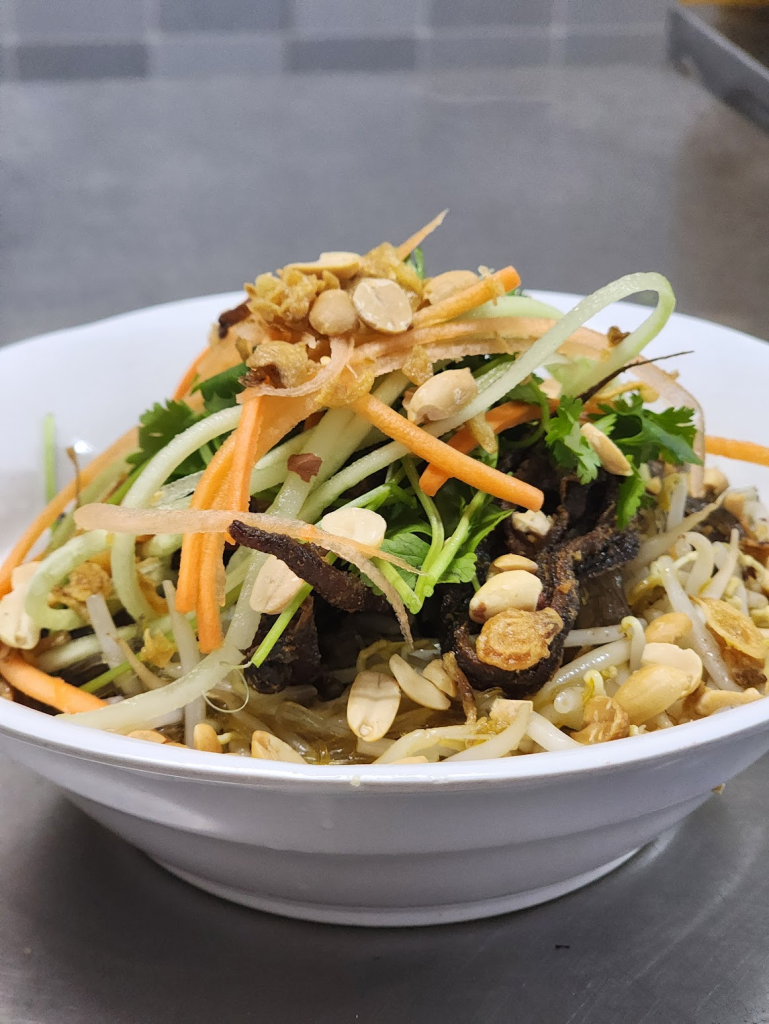
This dish combines two main ingredients: glass noodles (miến) and eel (lươn). Glass noodles, made from mung bean starch, are prized for their delicate, almost translucent appearance and their ability to absorb flavors. The eel, which is a specialty in many Vietnamese regions, particularly in the northern part of the country, is known for its tender, slightly sweet meat.
The preparation of miến lươn varies regionally, but typically, the eel is first cleaned, deboned, and then cooked until tender. It can be stir-fried or simmered with various seasonings such as ginger, garlic, fish sauce, and black pepper, infusing the eel with a rich depth of flavor. In some versions, the eel is fried until crispy, adding a contrasting texture to the dish.
The cooked eel is then served atop a bed of soft, slippery glass noodles. The dish is often garnished with fresh herbs like coriander or Vietnamese perilla, fried shallots, and sometimes, a variety of greens or bean sprouts. It’s commonly accompanied by a flavorful broth, either poured over the noodles and eel or served on the side. The broth, light yet savory, usually contains hints of ginger and complements the delicate taste of the eel and noodles.
Bánh cuốn and Phở cuốn
Bánh cuốn is a delicate and popular dish in Vietnamese cuisine, particularly in the northern regions of Vietnam. It is a type of steamed rice roll, a lighter, but no less flavorful, cousin to the more familiar Chinese dim sum dish, Cheung Fun. Bánh cuốn is made from a thin, wide sheet of steamed fermented rice batter, filled with a mixture of seasoned ground pork, minced wood ear mushrooms, and sometimes, finely chopped shallots.
The rice batter is poured onto a cloth stretched over a pot of boiling water, steamed until just cooked, and then skillfully rolled with the filling inside, creating a soft, delicate texture that is both chewy and tender. The rolls are typically served with a side of nước chấm, a dipping sauce made from fish sauce, sugar, lime juice, garlic, and chili, which adds a tangy, sweet, and savory flavor to the dish. Garnishes such as crispy fried shallots, fresh cilantro, and slices of Vietnamese ham (chả lụa) are often added on top for additional texture and taste.
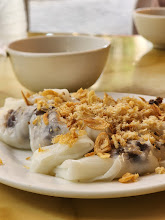
Bánh cuốn is commonly enjoyed as a breakfast dish or a light meal in Vietnam, valued for its soft texture and the subtle flavors of its fillings and accompaniments. It’s a perfect example of the balance and refinement in Vietnamese cuisine, where every ingredient plays a specific role in creating a harmonious dish.
Phở cuốn, is a fresh and light alternative to the more famous phở soup. This dish originates from Hanoi, and offers a unique twist on traditional Vietnamese flavors. Instead of a noodle soup, phở cuốn consists of ingredients similar to those in phở bò (beef pho), but they are wrapped in a fresh rice paper roll rather than served in a broth.
The key element of phở cuốn is its rice paper wrapper, which is similar to the one used in Vietnamese spring rolls (gỏi cuốn). These wrappers are soft, slightly chewy, and transparent, made from a thin sheet of steamed rice batter. The filling typically includes thinly sliced, cooked beef that’s often seasoned and grilled, fresh herbs like basil and cilantro, and sometimes lettuce or other greens. The beef is tender, and when combined with the fresh herbs, it creates a harmonious blend of flavors and textures.
Phở cuốn is usually served with a dipping sauce, which is a crucial component. The sauce can be a traditional nước chấm (a mixture of fish sauce, sugar, lime juice, garlic, and chili), or a slightly thicker, hoisin-based sauce. The dish is celebrated for its freshness and is often enjoyed as a light meal or appetizer. It’s a perfect example of the versatility and adaptability of Vietnamese cuisine, taking familiar ingredients and presenting them in an entirely new and refreshing way.
Ky Dong – near the Train street. right next to Xofa Cafe
Ốc nhồi thịt – Pork and Lemongrass stuffed snails
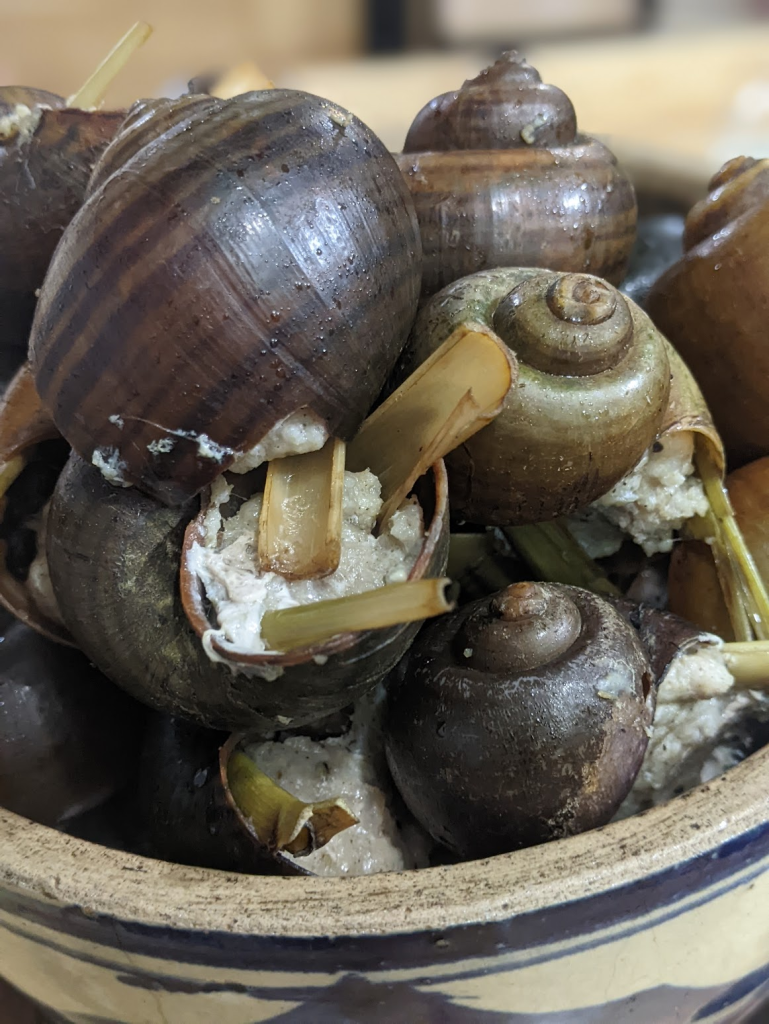
I first tried this in Da Lat, where it is a specialty. It’s so good. Don’t be put off if you are not a snail lover – the texture isn’t rubbery, it is chewy like a little meatball or burger with a great balance between snail and pork and the lemongrass adds such a nice fresh fragrance.
The stuffing, rich and savory, is carefully seasoned with traditional Vietnamese ingredients such as fish sauce, black pepper, and shallots, providing a deep umami flavor. Once stuffed, the snails are either steamed or baked, allowing the flavors of the pork and snail to meld together beautifully. The resulting dish is a delightful combination of the chewy and tender texture of the snail meat, complemented by the flavorful, juicy pork filling.
Quán Ốc Dì Tú – Michelin recommended restaurant (I haven’t been there. I have eaten this in Da Lat and HCMC but it is available all over Vietnam)
Bahn xeo
Bánh xèo, often referred to as Vietnamese pancakes or crepes, is a popular and flavorful dish in Vietnamese cuisine. The name “bánh xèo” translates to “sizzling pancake,” named for the loud sizzling sound the batter makes when it is poured into the hot skillet. This dish is renowned for its vibrant colors, crisp texture, and the interactive experience of assembling and eating it.
The batter for bánh xèo is made from rice flour, water, and turmeric powder, which gives the pancake its characteristic yellow color. Coconut milk is often added to the batter to impart a rich, creamy texture. The pancakes are cooked in a hot skillet with a generous amount of oil, making the edges wonderfully crispy and the center slightly chewy.
A traditional bánh xèo is filled with a variety of ingredients such as sliced pork, shrimp, diced green onion, and bean sprouts. The pancake is then folded in half, enveloping the savory filling. It’s typically served with a side of fresh lettuce leaves, a variety of herbs (like mint and basil), and sometimes rice paper. The traditional way to eat bánh xèo involves breaking off a piece of the pancake, wrapping it in lettuce and herbs, and then dipping it into nước chấm, a flavorful Vietnamese dipping sauce made from fish sauce, lime juice, sugar, garlic, and chili peppers.
Bo la lot
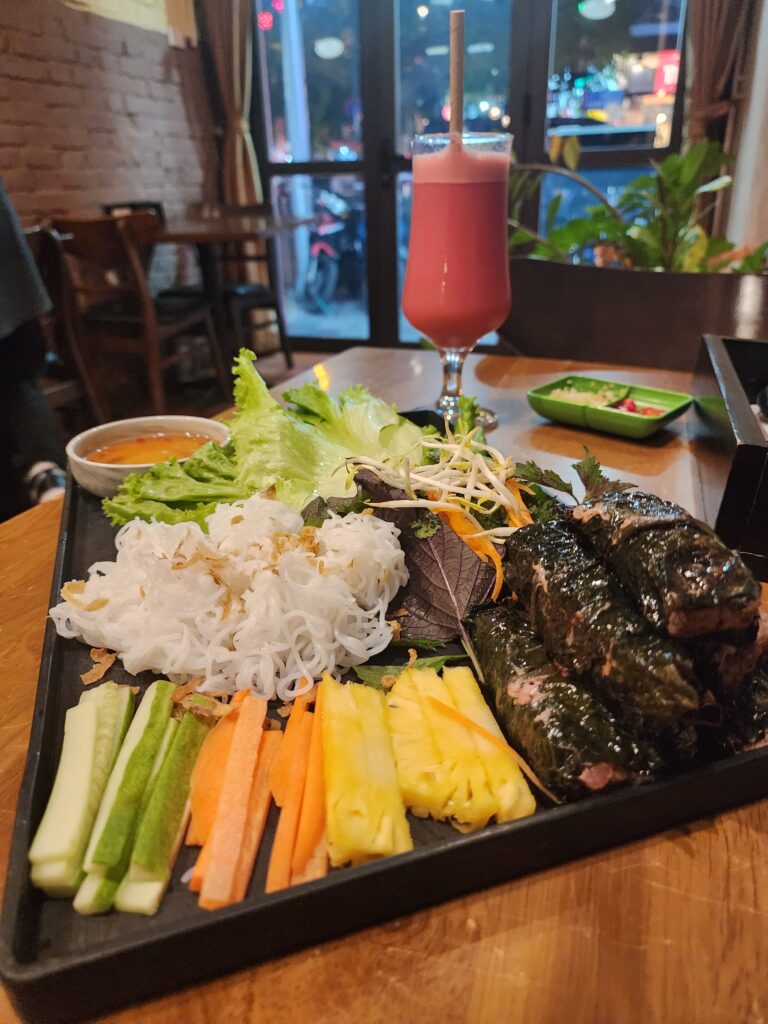
Bò lá lốt is a distinctive and flavorful dish, showcasing the country’s ability to create complex flavors with simple ingredients. This dish consists of seasoned ground beef wrapped in lá lốt, the aromatic leaves of the wild betel plant, which are not to be confused with betel nut leaves. The leaves impart a unique, peppery and slightly bitter flavor to the meat, creating a harmonious blend of taste and aroma.
The beef is typically seasoned with a mix of garlic, lemongrass, black pepper, and fish sauce, sometimes including a hint of sugar for a subtle sweetness. This seasoned beef is then carefully wrapped in the lá lốt leaves, forming small, cigar-shaped parcels. These parcels are then grilled over an open flame or pan-fried, which not only cooks the meat but also releases the essential oils from the leaves, enhancing the overall flavor profile of the dish.
Bò lá lốt can be served in various ways, often as part of a larger meal. It’s commonly enjoyed with rice noodles or as a part of a traditional Vietnamese spread including other dishes like spring rolls and salads. The dish is also popular as a street food snack, eaten on its own or with a dipping sauce, typically a mixture of fish sauce, lime juice, sugar, garlic, and chili, adding a tangy and spicy kick to the rich, meaty rolls.
Bún riêu cua
This dish is particularly renowned for its complex and unique flavors, which come from its distinctive broth and varied ingredients. The soup’s base is a tomato and crab broth, which is both tangy and savory. The key component is the crab paste, made from pounded crab shells, crab meat, and sometimes shrimp, giving the broth a rich seafood flavor and a slightly gritty texture.
To this aromatic broth, rice vermicelli noodles (bún) are added, along with a variety of other ingredients that can include fried tofu, thinly sliced pork, congealed pig’s blood (a common ingredient in Vietnamese cuisine), and sometimes snails. Fresh herbs, such as cilantro or perilla, and bean sprouts are typically provided on the side, allowing eaters to add them to their liking.
A distinctive element of bún riêu is the addition of riêu, small, fluffy patties or chunks made from minced crab and shrimp, which are cooked in the broth and become light and airy. The dish is often garnished with fresh herbs, green onions, and fried shallots, adding layers of flavor and texture.
The soup is usually served with a plate of fresh herbs, lime wedges, and other condiments like fish sauce, shrimp paste, or chili sauce, enabling diners to customize the taste according to their preference. Bún riêu cua is a beloved dish in Vietnam, known for its delightful combination of textures and the harmonious balance of sour, savory, and umami flavors, making it a comforting and satisfying meal.
Bún bò Huế
Bún bò Huế is a spicy and aromatic Vietnamese noodle soup that originates from Huế, the former imperial capital located in Central Vietnam. This dish is known for its distinctive flavor and is considered a heartier and spicier cousin to the more widely known phở. The base of Bún bò Huế is a rich and robust broth made from beef bones and beef shank, simmered for hours to extract maximum flavor. What sets this broth apart is the addition of lemongrass, fermented shrimp paste, sugar, and chili oil, which contribute to its unique taste — a perfect balance of spicy, savory, sweet, and umami.
The soup features round rice noodles (bún) that are thicker and more substantial than those used in phở, providing a chewier texture. The meat in Bún bò Huế typically includes slices of beef shank, oxtail, and pig’s knuckles or pork, giving the dish its hearty character. A notable ingredient is congealed pig’s blood, cut into cubes, which adds a rich, earthy flavor.
Phở – (personally, not my favorite)
Phở is arguably the most famous Vietnamese dish, known worldwide for its comforting and aromatic qualities. This iconic noodle soup typically features a clear and flavorful broth, rice noodles (called phở), and slices of meat, usually beef (phở bò) or chicken (phở gà). The broth is the soul of the dish, simmered for hours with beef bones, charred onions, ginger, and a mix of spices such as star anise, cloves, cinnamon, cardamom, and coriander seeds. This slow cooking process extracts deep flavors and aromas from the ingredients, creating a broth that is both rich and delicate.
Thinly sliced pieces of beef (which can range from tenderloin to brisket, flank, and tripe) or chicken are then added to the broth. The heat of the broth cooks the meat just before serving. Phở is typically served with a plate of fresh herbs and vegetables, including basil, cilantro, bean sprouts, lime wedges, and sliced chilies. These accompaniments allow diners to tailor the soup to their taste, adding freshness, crunch, and spice.
The rice noodles in phở are soft and slightly chewy, providing a subtle background that lets the flavors of the broth and meat shine through. Each bowl of phở is a balance of savory, sweet, and umami flavors, with a hint of spice and the refreshing contrast of herbs. Phở is not just a dish; it’s a comforting experience, often enjoyed as a warm start to the day or a satisfying meal at any time, embodying the essence of Vietnamese culinary artistry.
Phở Gia Truyền Bát Đàn – hole in the wall place. always packed
Coconut coffee
Coconut coffee combines the rich, bold flavors of Vietnamese coffee with the creamy, sweet taste of coconut, resulting in a unique and indulgent beverage.
Vietnamese coffee is traditionally made using a small metal drip filter (phin) placed over a cup. Coarsely ground coffee beans are added to the filter, and hot water is poured over them, allowing the coffee to slowly drip through. Vietnamese coffee is known for its strong, robust flavor, typically made with robusta beans, which have a higher caffeine content and a more intense taste compared to arabica beans.
In the creation of coconut coffee, once the coffee has dripped through, instead of mixing it with the usual condensed milk, it is combined with coconut milk or coconut cream. The coconut adds a rich, velvety texture and a sweet, tropical flavor that complements the intensity of the coffee. Some variations also include coconut ice cream or coconut yogurt, creating an even more decadent treat.
Coconut coffee can be enjoyed hot, but it is especially popular as an iced drink, making it a refreshing choice in Vietnam’s hot climate. The combination of the strong, slightly bitter taste of the coffee with the sweet, creamy coconut creates a perfect balance of flavors.
Xofa Café & Bistro – great food menu. best coconut coffee
Cafes
Vietnam’s coffee culture is renowned for its strong, uniquely brewed robusta coffee, often enjoyed at bustling street-side cafes and characterized by traditional methods like drip filtration and distinctive drinks such as egg coffee and coconut coffee. Coffee shops and cafes are everywhere. Here are my favorites.
Circle Coffee Bar – best music playlist (swing, loungey jazz, spanish stuff, etc), great latte art and tasty fruit teas, cool vibe, live music on Wednesday nights and the cutest little dog who hangs out with me all the time. (sadly, out of business now 😭)

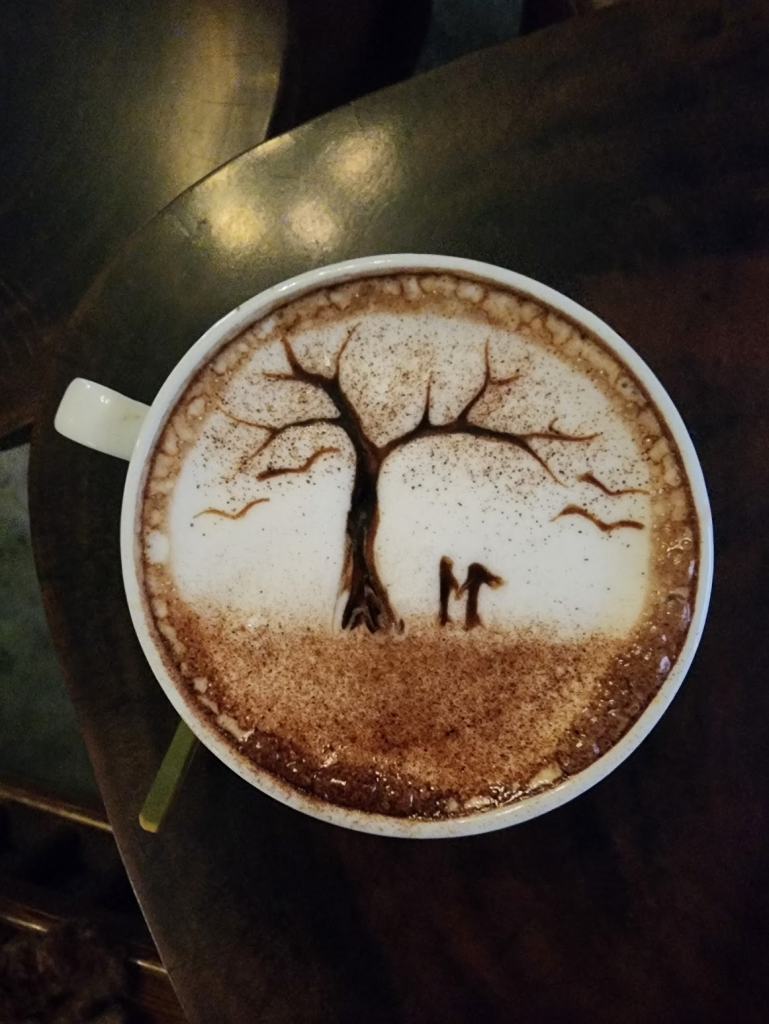
Hanoi Social Club – live music on Tuesdays on their rooftop which is cool and intimate. They also have the best pulled pork sandwich in town and some creative tasty cocktails
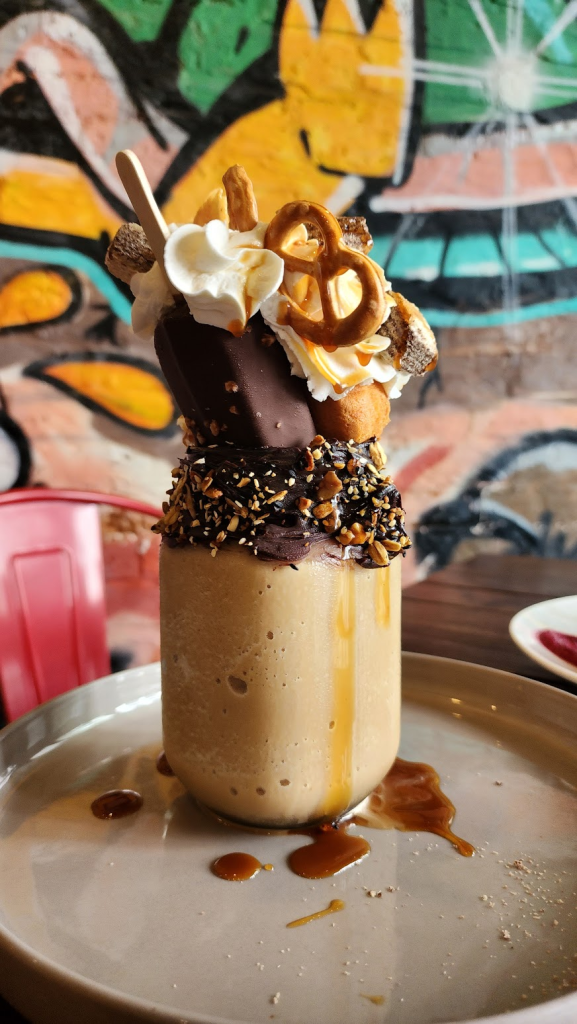
Lifted Coffee & Brunch – extensive menu. delicious artisan donuts and some milkshake sugar coma inducing creations like this one.
The Note – 4 story cafe with Post-It notes on every visible surface. great egg coffee.
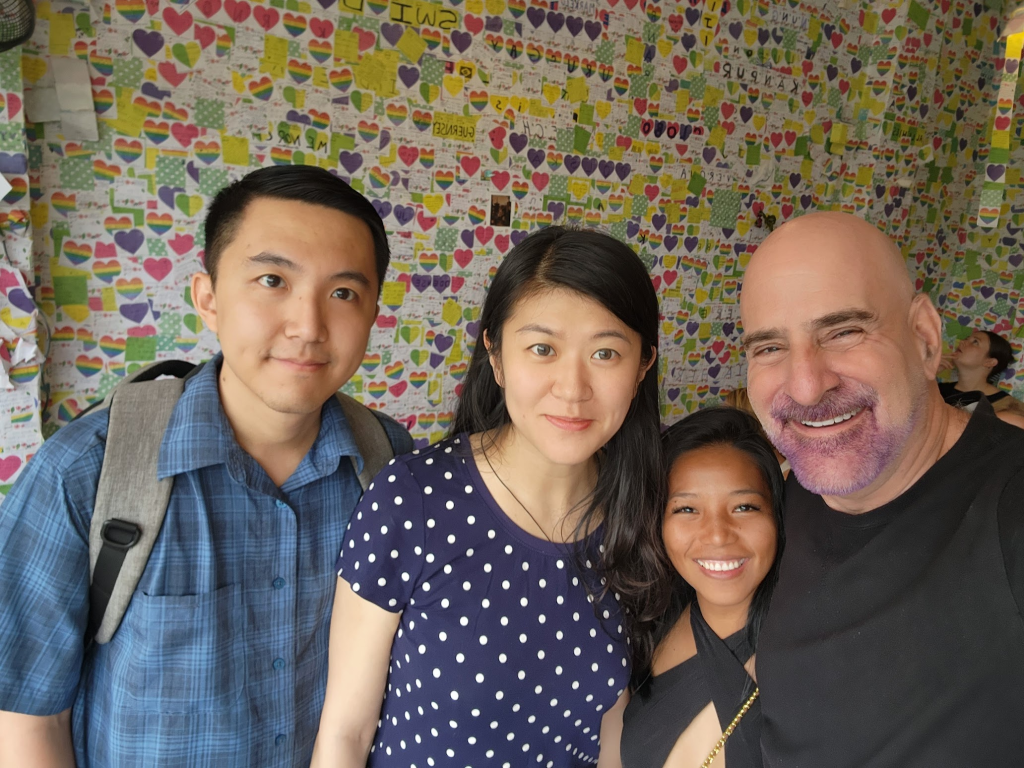
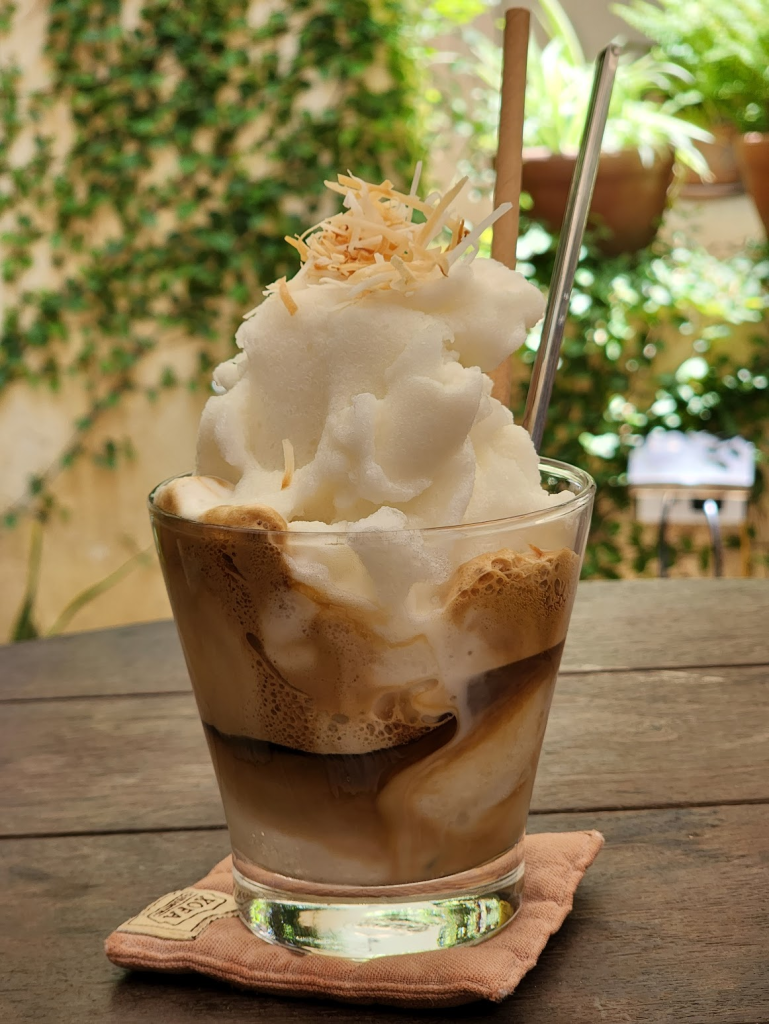
Xofa Café & Bistro – great menu. nice couches. best coconut coffee
Terra Cafe – hidden on the 4th floor. nice cozy feeling. cute cats
Tranquil Cafe – library vibe. nice balcony area
Beer and Cocktails in Hanoi
Bia Hơi
Bia Hơi is a unique and immensely popular aspect of Vietnamese drinking culture, particularly known in the northern parts of Vietnam, especially in Hanoi. It refers to a type of Vietnamese draft beer that is light, refreshing, and low in alcohol content, typically around 3-4%. Bia Hơi is brewed daily and intended to be consumed on the same day, without preservatives, which contributes to its freshness and lightness. This also means that the flavor can vary slightly from day to day and place to place.
The experience of drinking Bia Hơi is as much about the atmosphere as it is about the beverage itself. It is traditionally served at small, roadside stalls or in open-air bars, often on simple plastic stools. These Bia Hơi joints are popular social hubs where locals gather to chat, relax, and enjoy the beer at a very affordable price (10-15K VND), typically much lower than commercial beers. Accompanying snacks, such as peanuts, grilled meats, or Vietnamese spring rolls, are commonly offered to complement the light and crisp taste of the beer. Bia Hơi is not just a drink; it’s a cultural experience, offering a glimpse into the everyday life and sociability of the Vietnamese people.
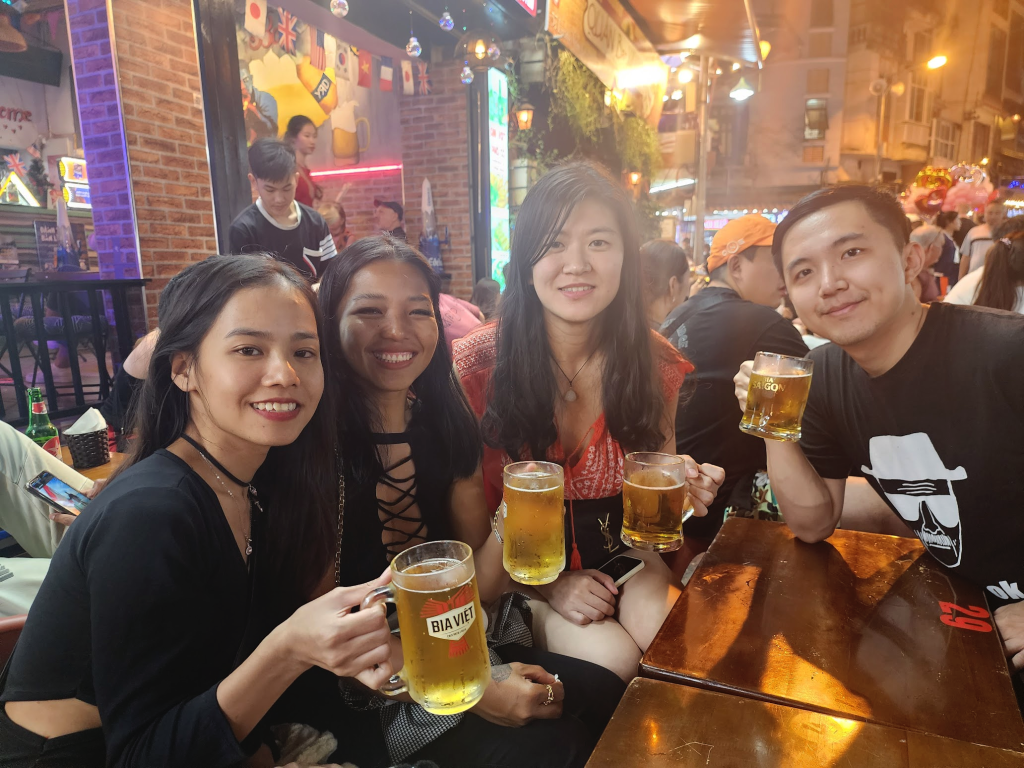
Beer Corner – kind of a shitshow and kind of fun. Everyone is out in the street sitting at tables and enjoying food and drink and there are vendors and hawkers everywhere. That’s the fun part. the part I hate are all the bars across from each other trying to one up with distorted shitty music volume. A lot of the bars also have the happy balloons (nitrous oxide balloons) which are pretty fun too…

Speakeasy Bars and Craft Cocktails
- Nê Cocktail bar – try the flaming pho cocktail
- BeezNees 1920s – cool speakeasy with a fun hidden entrance. great cocktails
- Polite & Co – cool vibe. try the “Bathtub full of Gin” cocktail
- Nectar Hideaway: Speakeasy Rooftop Cocktails Bar – chill rooftop near the Opera House
- Kumquat Tree Speakeasy
- The Alchemist
- The 371 Bar – huge whisky collection
Misc
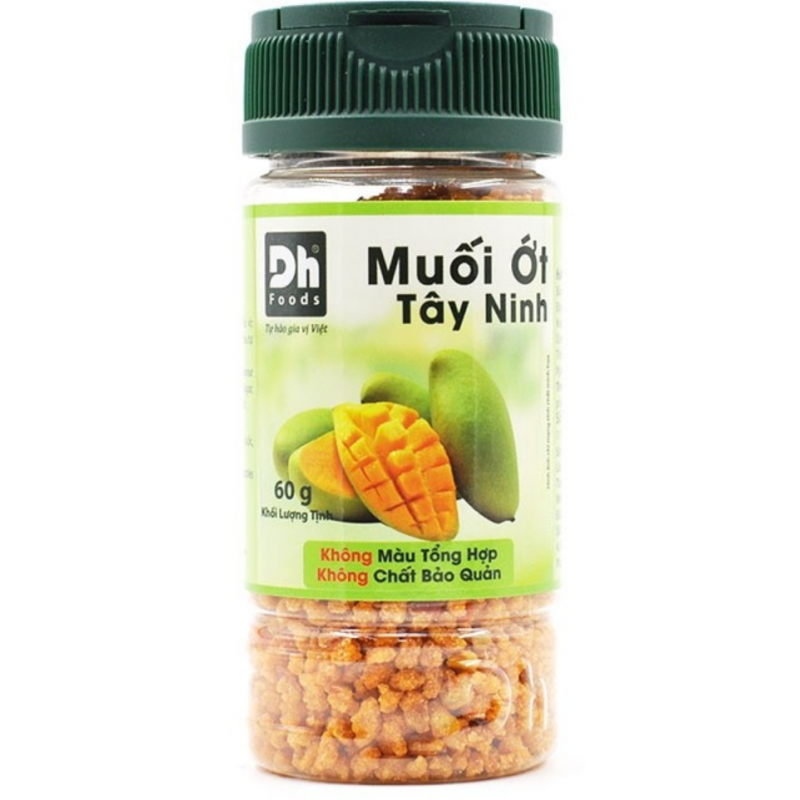
Muối Ớt Tây Ninh – chili salt. It’s like Mexican Tajin (also awesome) but without the lime. but it’s also clumpier and the clumpy granules give it a great texture on fruit, especially mango (green or ripe), rose apples and others.
This one DOESN’T have the shrimp flavor which I personally find too strong.
Buy it at most little stores around town. take it with you everywhere. Buy extra to take home because it’s $12 on Amazon and maybe 50 cents or a dollar here.